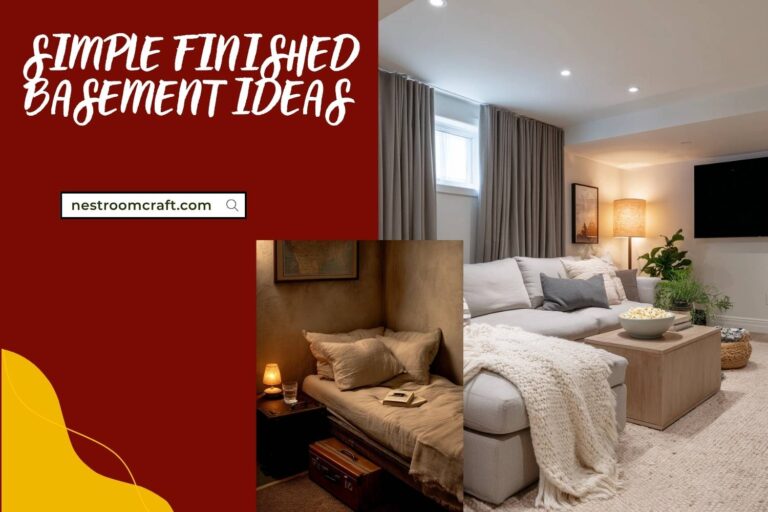
Small finished basement ideas can turn a low ceiling, narrow walls, and tiny windows into a space your family uses every day.
This guide shows simple room setups you can copy, from a movie nook and teen hangout to a basement office, gym corner, and guest room.
Each section includes easy styling steps, storage moves, and lighting tips that work with real basements like painted brick walls, small egress windows, and shadowy corners.
Use these layouts to plan your basement faster, avoid clutter, and make the space feel warmer, brighter, and more comfortable.
1. Small Finished Basement Movie Nook for Low Ceilings


A snug movie nook is one of the best small finished basement ideas because it works with a low ceiling instead of fighting it. Start with a plush sectional that fits wall to wall. This makes the space feel cocooned and keeps walkways clear. Place a reclaimed wood coffee table in front, then keep the top simple so it still feels calm.
Lighting matters more than decor in a basement movie area. Use dimmable sconces to create soft amber pools of light, then let the projector be the main glow during the movie. If corners feel too dark, add one small floor lamp behind the sofa, aimed at the wall, not at faces.
Style it to look lived in, not staged. A soft knit throw with natural wrinkles adds comfort. Keep a popcorn bowl ready and store DVDs or game cases in a basket or low cabinet. If kids use the space, a toy basket in the corner prevents piles on the floor and makes cleanup fast.
- Choose a low profile sectional so the ceiling feels higher.
- Mount the projector on the ceiling or a rear shelf to free table space.
- Use a large rug to soften sound and make the seating zone clear.
- Add one lidded basket for toys, blankets, and extra remotes.
- Hang blackout curtains or a shade to control the small window light.
Pro Design Tip: Paint the ceiling one shade lighter than the walls and use matte paint to reduce glare from the projector.
Budget Considerations: A used sectional and a secondhand projector can cost far less than built in theater seating. Reclaimed wood tables vary in price, so check salvage shops or marketplace listings.


2. Narrow Basement Office and Guest Retreat Combo


A narrow basement office can still feel calm if you keep the layout simple. Put a slim desk against the painted brick wall so the center path stays open. Manage the charging cable with a cord cover or clips so it does not trail across the floor. A small egress window can give just enough light, so keep the area around it clear.
To make the room pull double duty, use a linen sofa bed. Keep it half folded most days so it reads as a sofa, not a bed. Add one lumbar pillow and a light throw for comfort. When guests stay over, swap in clean sheets and a second pillow stored in a bin under the desk or inside an ottoman.
Style the desk like a real work zone, not a showroom. Leave an open notebook with a pen, and use a ceramic mug on a coaster to protect the surface. A small task lamp helps on cloudy days. Choose muted wall colors and tactile textures like linen and woven baskets so the basement feels warm, not harsh.
- Pick a desk with drawers to hide papers and chargers.
- Use a narrow wall shelf for books instead of a wide cabinet.
- Add a small rug to soften footsteps and define the office side.
- Place a mirror near the window to bounce light deeper into the room.
- Keep guest items in one labeled bin for quick setup.
Pro Design Tip: Install plug in wall sconces over the sofa bed so you free up floor space and avoid bulky lamps.
Budget Considerations: A basic sofa bed can be pricey, so consider a futon with a quality mattress topper stored in a closet. Peel and stick brick paint touch ups are cheaper than full wall refinishing.


3. Teen Basement Hangout With Modular Seating
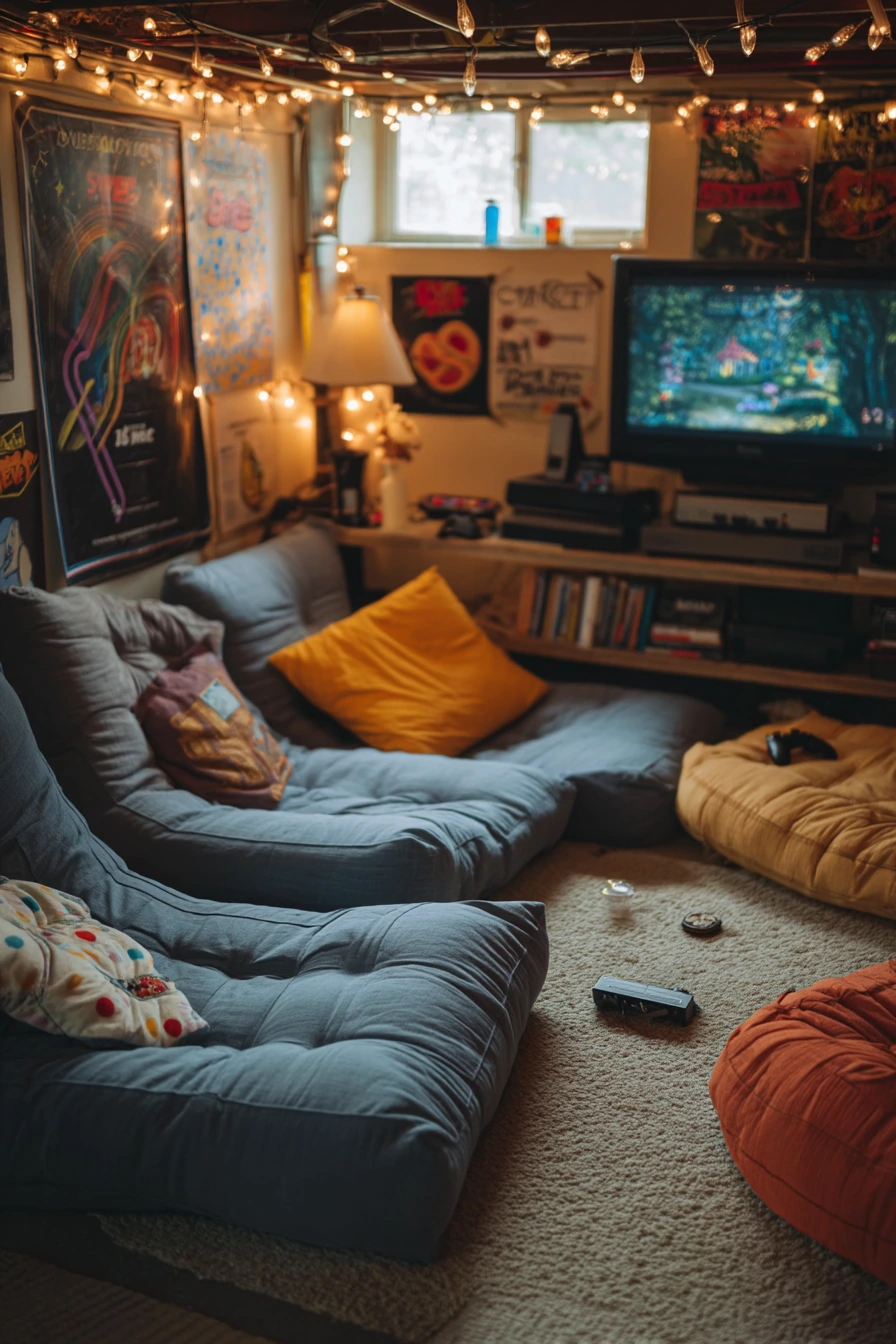

A teen hangout works best when it feels relaxed and not too perfect. Low modular seating is great for a small finished basement because you can move pieces around for games, movies, or friends. Let the cushions be mismatched on purpose, so stains and wear are less stressful. Add a soft rug underfoot to warm up the room and cut echo.
For lighting, use string lights draped loosely and one warm lamp. This mix keeps the room cozy even when daylight from a small window fades. Put the TV on a simple stand with space for consoles. Since game controllers often end up tangled, keep a small tray or bin on the shelf for cords and chargers.
Decor can be simple and still feel personal. Graphic posters look fine even slightly peeling, but use removable strips so walls do not get damaged. Keep a side table for drinks, since half full soda cans are a real life issue in teen spaces. Add a lidded trash can and a laundry basket so cleanup is not a big job.
- Use modular seats that can also act as extra footrests.
- Add a controller docking station or labeled cord clips.
- Choose washable pillow covers and a durable rug.
- Hang posters with removable tabs for easy swaps.
- Include a snack zone with a tray and a small bin for wrappers.
Pro Design Tip: Use layered lighting at two heights, string lights plus a table lamp, so the room stays soft without needing bright overhead bulbs.
Budget Considerations: Modular seating can be built from floor cushions and poufs. Thrift store side tables and DIY poster frames can save money while still looking tidy.


4. Compact Basement Fitness Corner That Stays Tidy
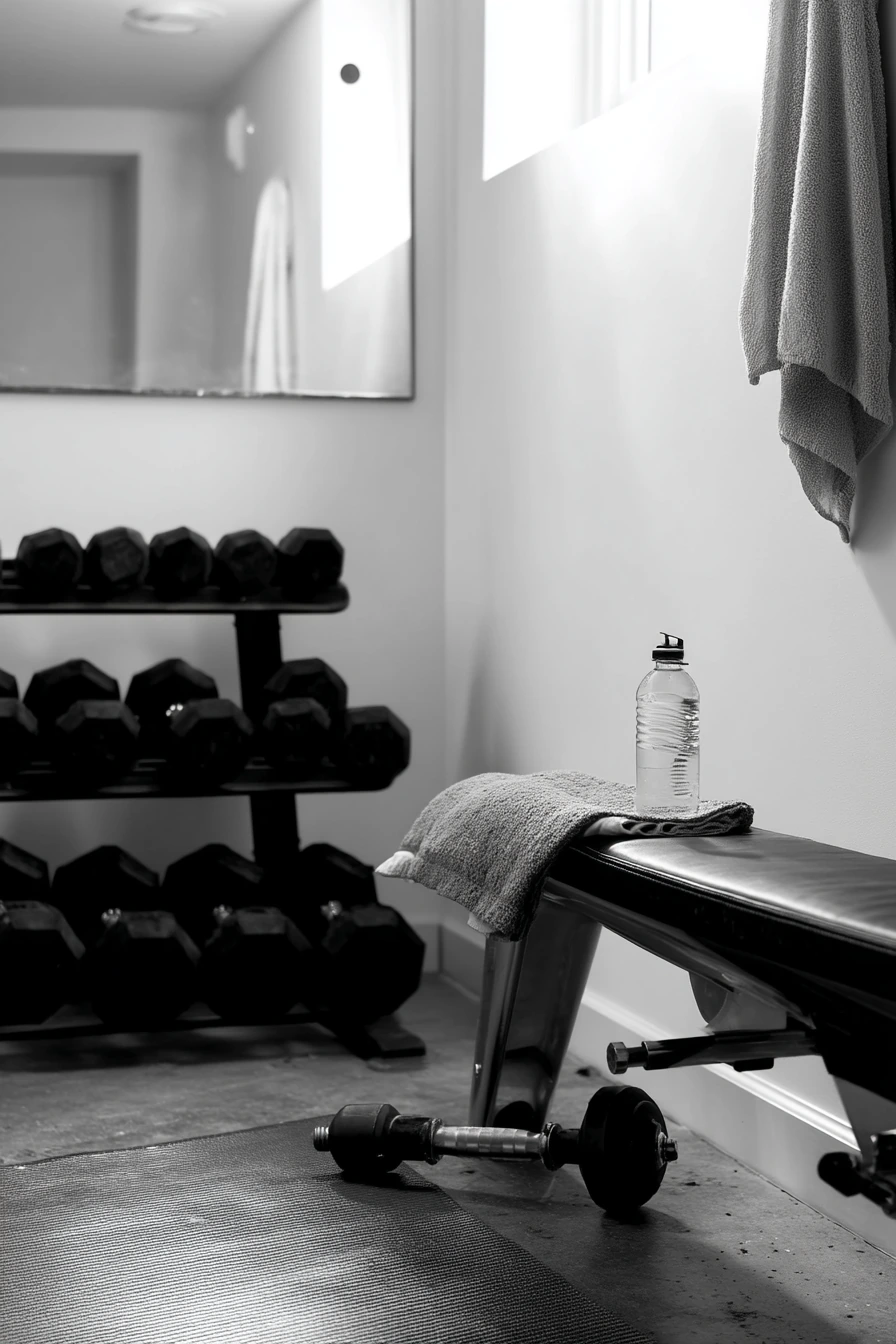

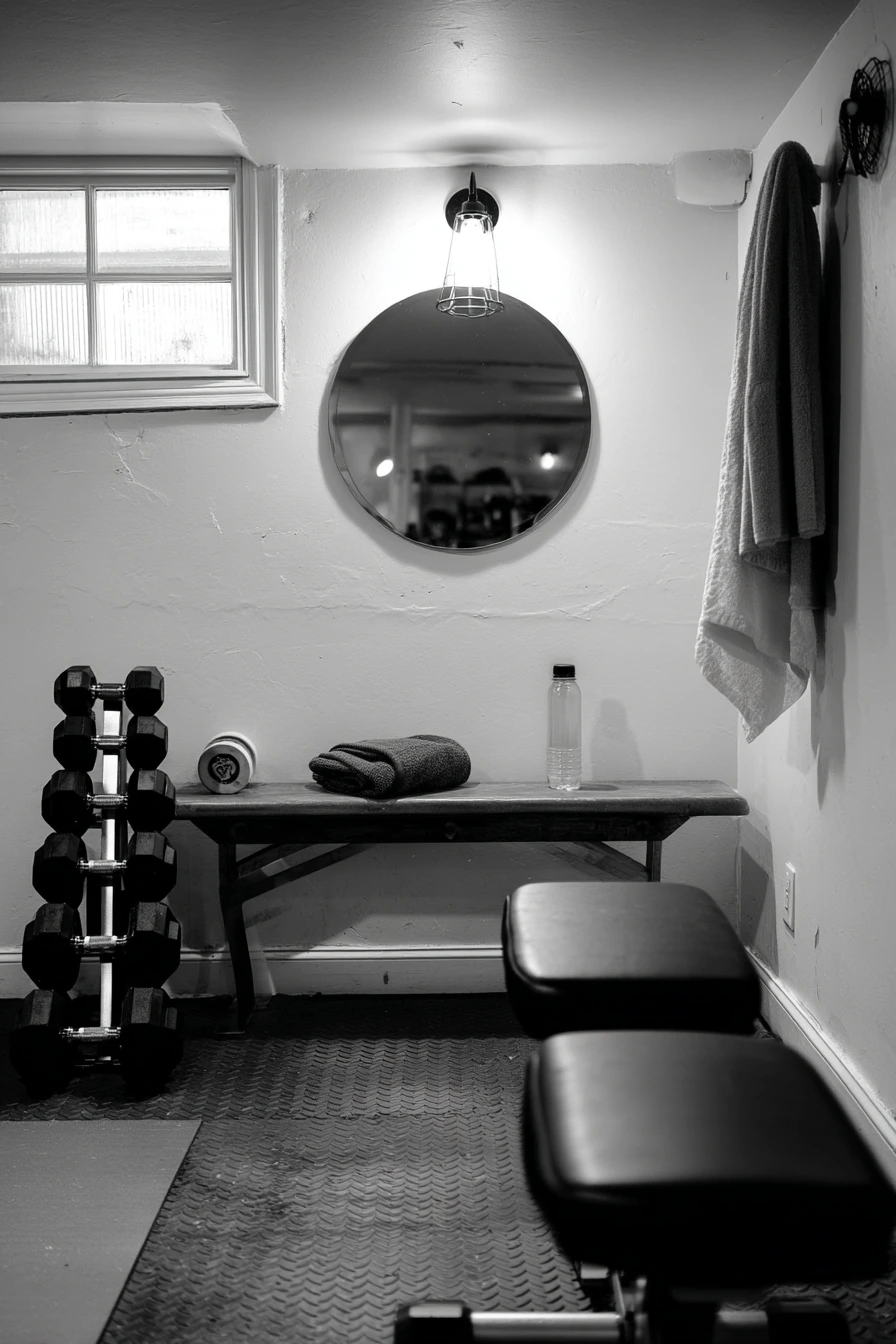
A compact basement fitness corner is easier to use when it is clean and ready. Start with rubber flooring to protect the slab and reduce noise. Keep adjustable dumbbells neatly stacked on a low stand so you do not trip. A bench adds a place for strength moves and also works as a drop zone for a towel.
Mirrors help a small finished basement feel bigger and brighter. Place a wall mirror where it can reflect soft window light. If your window is tiny, clean the well and add a light colored cover so you get more glow. Use one warm overhead bulb plus a focused lamp if you need it for early mornings.
Style it like a real workout spot, not a storage corner. Keep a water bottle with condensation on a small shelf, and store bands and yoga blocks in a basket. If your yoga mat curls at the edge, use a mat strap and hang it on a hook. Leave floor space open so you can move without bumping furniture.
- Lay rubber tiles wall to wall for a finished look.
- Store weights on a rack instead of the floor.
- Add hooks for towels, bands, and a jump rope.
- Use a small fan to keep air moving in the basement.
- Choose one calming wall color to reduce visual noise.
Pro Design Tip: Mount a narrow shelf under the mirror for a phone, timer, and wipes so the workout area stays clutter free.
Budget Considerations: Rubber flooring is the biggest cost, so start with a smaller mat zone and expand later. Secondhand dumbbells and a basic bench can build a solid setup for less.

5. Cheerful Finished Basement Playroom With Smart Storage


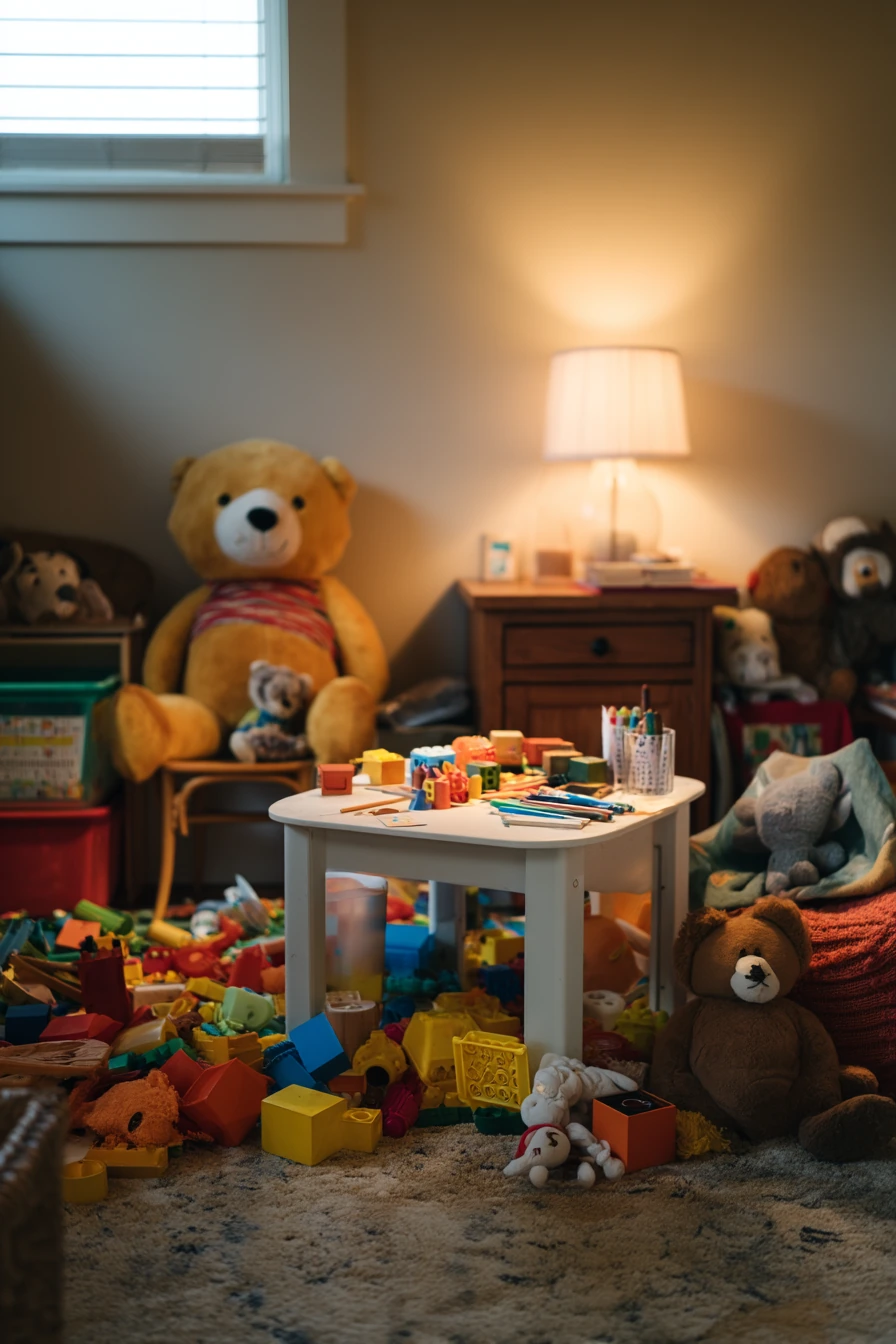
A cheerful basement playroom can feel bright even with a tiny window well. Start with low shelves and colorful bins so kids can reach and put away toys on their own. Leave a little open floor space for wooden blocks and train tracks. The goal is easy play, then fast cleanup.
Lighting should be soft and safe. Use daylight from the small window and add a warm table lamp for evenings. Avoid sharp glare from a single ceiling bulb. If the room has shadowy corners, add a plug in night light or a small lamp on a high shelf so it stays out of reach.
Style the room with a mix of cute and practical. Plush animals can live in a big basket, and crayons should be in a caddy on the child sized table. If crayons keep rolling off, add a shallow tray in the center. Pick a soft rug that can handle spills and add a washable cover if needed.
- Use clear labels on bins for quick sorting.
- Keep one toy type per bin to reduce mess.
- Add a small art rail or cork board for kid drawings.
- Choose a rug pad so the rug does not slip.
- Rotate toys monthly to keep the room feeling fresh.
Pro Design Tip: Put the tallest storage on the wall farthest from the window so the light is not blocked and the play area stays brighter.
Budget Considerations: Cube shelves and fabric bins are affordable and easy to replace. For rugs, look for indoor outdoor styles that clean up well and cost less than wool.

6. Small Basement Bar Nook With Speakeasy Warmth


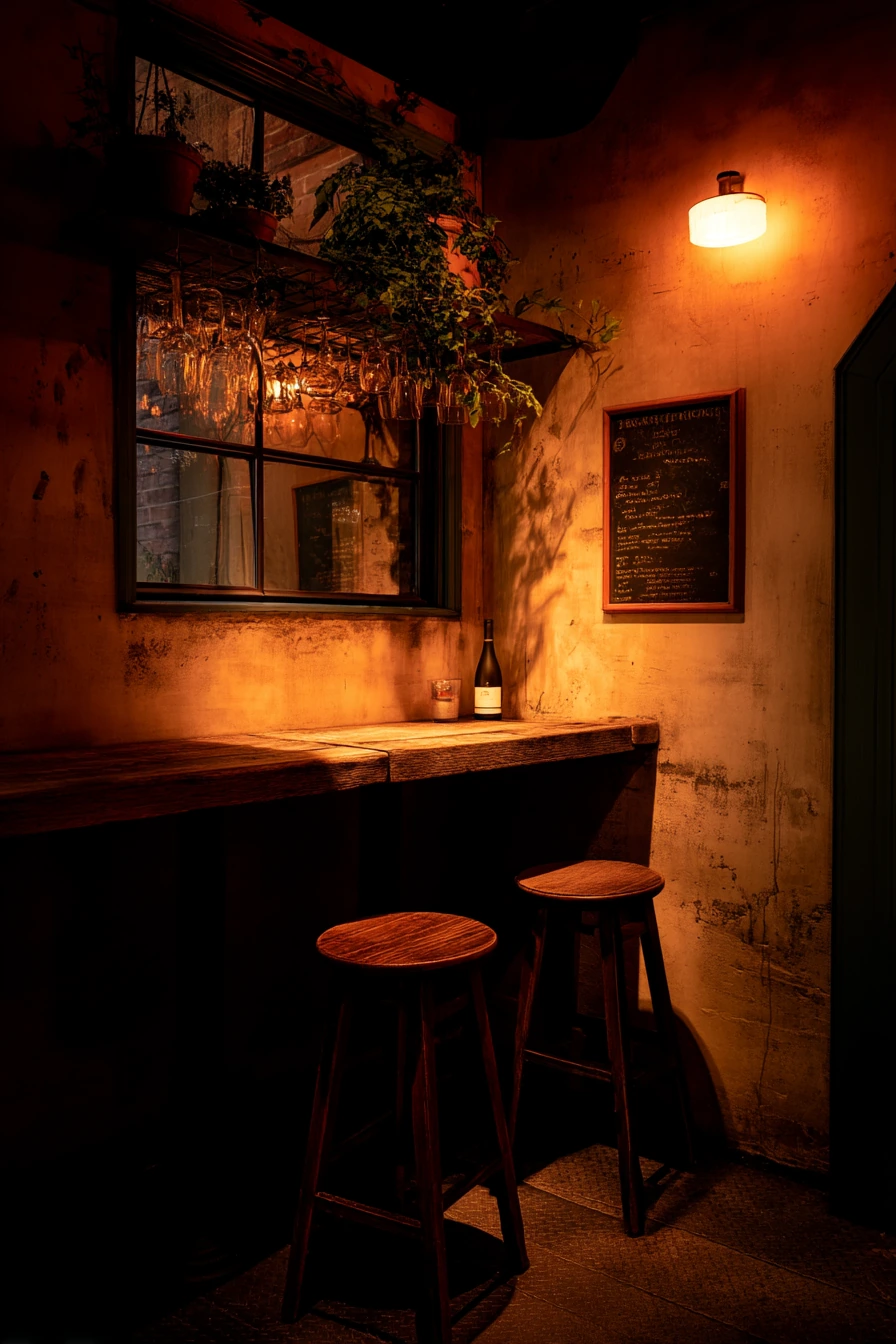
A narrow basement bar nook adds a grown up zone without needing a full remodel. A reclaimed wood counter brings warmth and texture, and two stools slightly askew makes it feel used, not stiff. Keep the counter depth slim so the walkway still works in a tight basement.
Lighting creates the mood. Hang glasses so they catch warm amber light, and add one small lamp to make soft pools with gentle falloff. If you have plant shadows on the wall, lean into it with one real plant on a shelf. A small chalkboard menu, even half erased, adds character and helps guests know what is stocked.
Style it with a few items only. An open bottle of wine with the cork nearby looks casual, but keep bottles stored in a rack for safety. Add a tray for bar tools and coasters. If you want snacks, use a lidded jar to avoid smells. Keep a small bin or drawer for napkins so the top stays clear.
- Use a slim counter or wall mounted bar table in tight spaces.
- Add under shelf hooks for hanging glasses.
- Use a tray to group tools and keep clutter contained.
- Install a small sconce or lamp for warm, low light.
- Keep a compact trash can nearby for quick cleanup.
Pro Design Tip: Use a dark paint color behind the bar and a warm bulb temperature so the nook feels cozy and intentional, even in a basement.
Budget Considerations: Reclaimed wood can be costly, so consider butcher block or plywood with a stain. Stools and glass racks are easy to find secondhand.

7. Practical Small Finished Basement Lounge for Everyday Use


A practical basement lounge is perfect when you want a simple place to read, watch TV, or relax. Choose a compact sofa, even if the cushions sag a bit, and make it look better with a fitted cover and two pillows. Keep the layout front facing so the room feels easy to use.
Add flat pack shelving for books and storage boxes. Closed bins hide clutter and help the space feel finished. Keep a remote on the armrest with a small tray nearby for chargers. A folded blanket casually tossed is good, but store extra throws in one basket to avoid piles.
Lighting should be warm and calm. Use a simple floor lamp to cast a cone of light for reading. If daylight sneaks through a small window, keep that wall lighter in color so it reflects more. Add one piece of wall art and one plant to soften the look without taking up floor space.
- Pick a sofa with legs so you can see floor under it.
- Use matching storage boxes for a cleaner shelf look.
- Add a narrow side table for drinks and a lamp.
- Layer one rug to make the lounge feel separate from the rest.
- Use wall hooks for headphones or a blanket ladder alternative.
Pro Design Tip: Keep furniture heights low and leave a few inches between the sofa and the wall so the room feels less cramped.
Budget Considerations: Flat pack shelving and slipcovers are low cost upgrades. Instead of new art, frame pages from old books or use printable wall decor.


8. Creative Basement Craft Corner With Pegboard Storage


A basement craft corner can handle real projects if you build in easy organization. Start with a pegboard filled with tools so you can see what you have. Use baskets below for fabric scraps and supplies. A sewing machine can stay set up mid project if the table has enough depth and the chair tucks in.
Light is key for color and detail work. Mix soft diffused window light with a warm desk lamp glow. If your basement window is small, add a bright task bulb that does not flicker. Keep the work surface clear except for the current project, like thread spools and an open sketchbook with pencil marks.
Style it to feel inviting, not messy. Use matching jars or small boxes for buttons and clips. Put a waste bin under the desk for fabric bits. Hang scissors and rulers on the pegboard so they do not get lost in drawers. Add one cork strip for notes and patterns to keep paper off the table.
- Group supplies by project type, sewing, paper, paint.
- Use clear bins so you can find items fast.
- Add a small cutting mat to protect the desk top.
- Keep a rolling cart for items you use every day.
- Hang a small ironing mat or mini iron setup if you sew.
Pro Design Tip: Use a pegboard with a simple outline layout so every tool has a home and cleanup takes five minutes.
Budget Considerations: Pegboard and hooks are low cost and flexible. Use thrifted jars and shoe boxes for storage before buying matching containers.


9. Compact Basement Guest Bedroom That Feels Comfortable
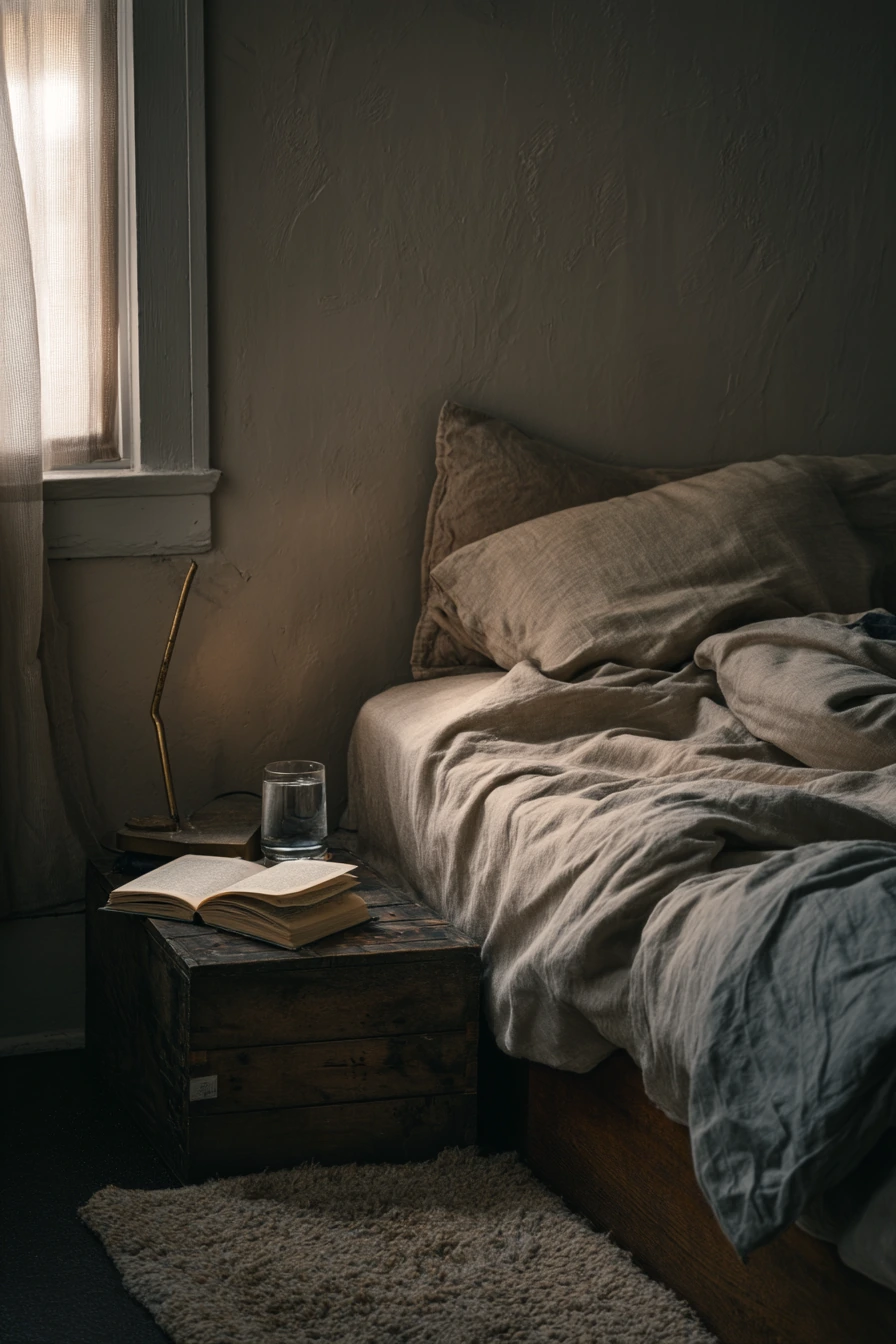

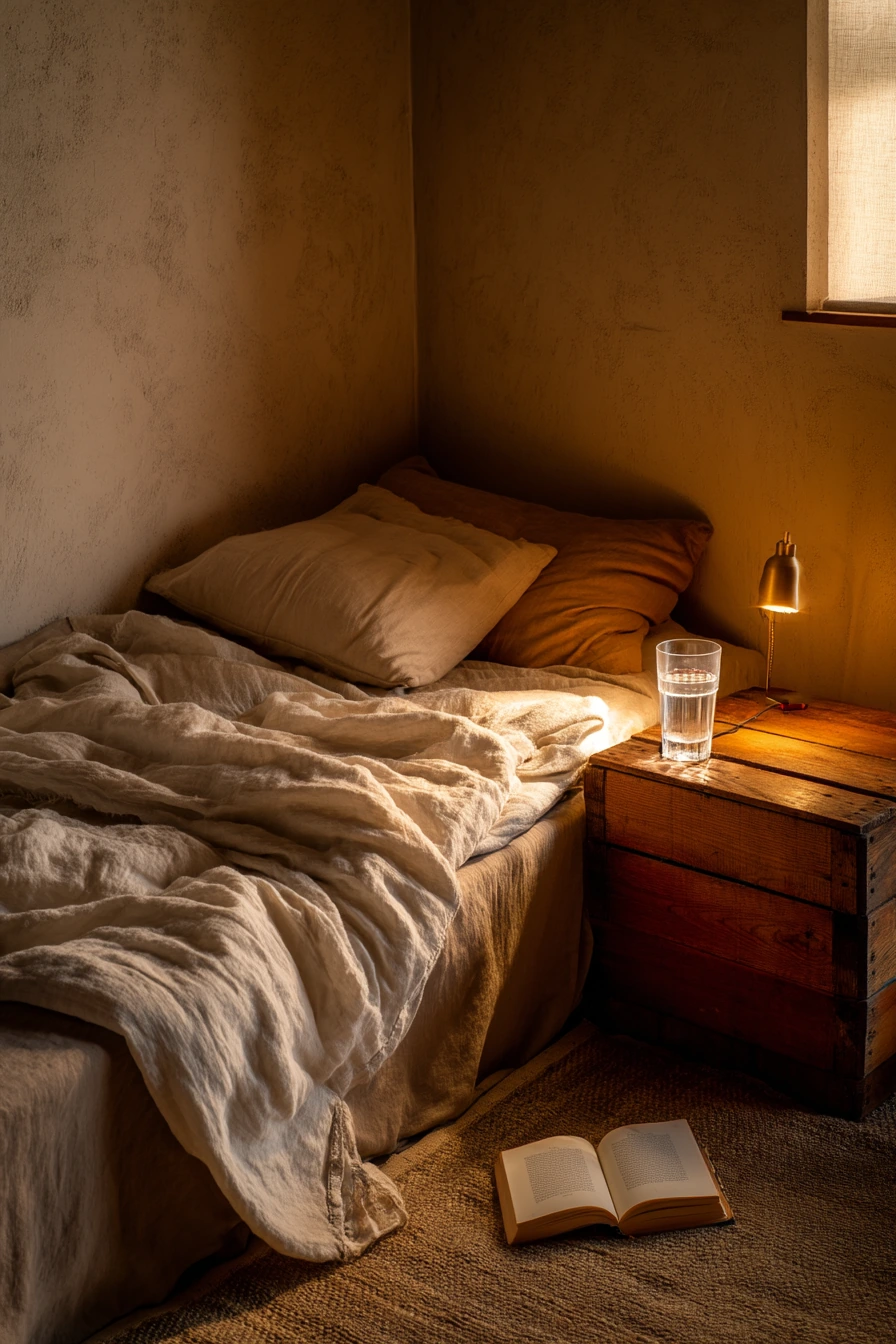
A compact guest bedroom in a finished basement should feel quiet and restful. Choose a low bed so the ceiling feels higher and the room feels open. Linen sheets that look slightly rumpled still read as cozy. Keep colors muted so the space feels calm, even with limited daylight.
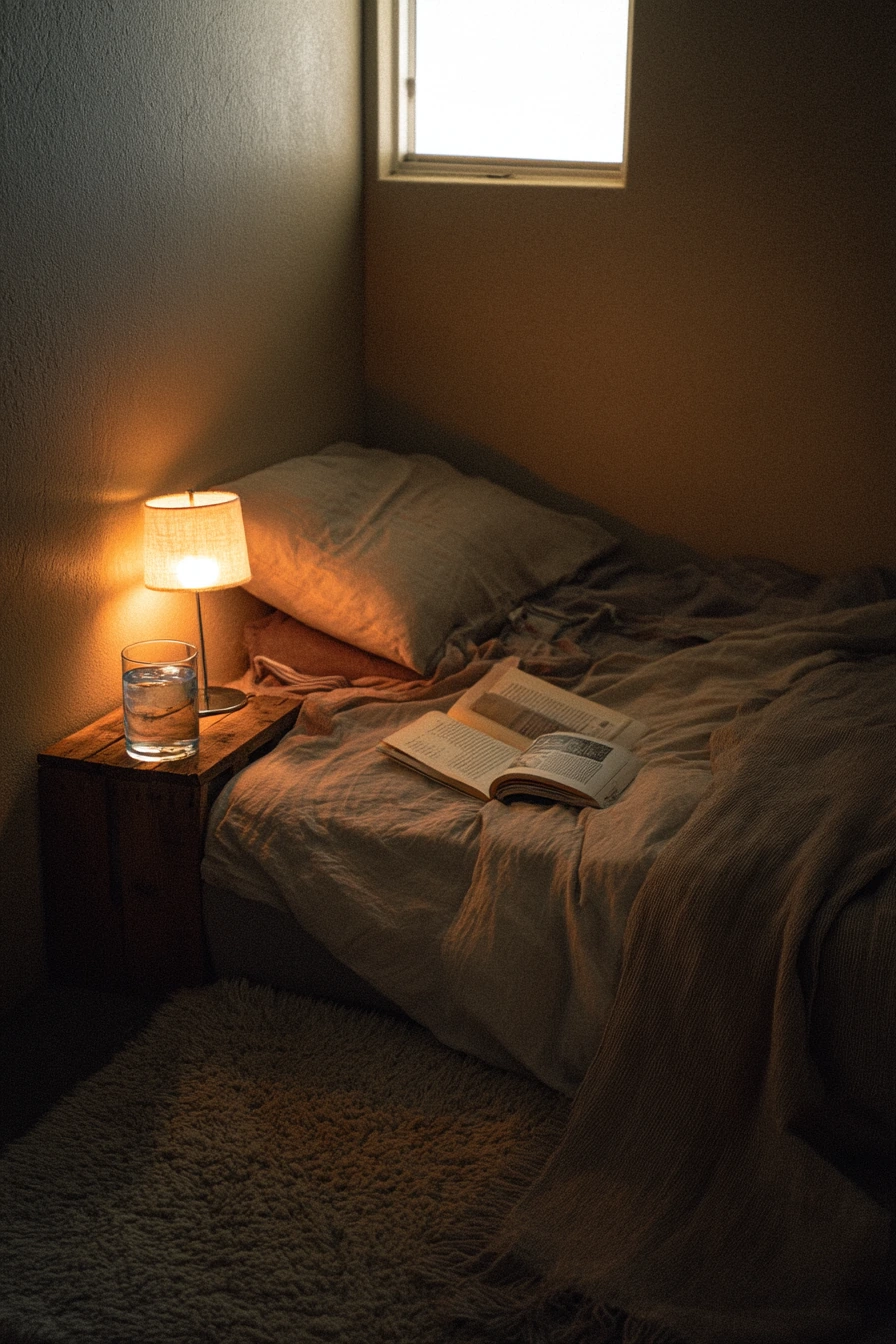
Make the bedside setup simple. A crate nightstand works well in small rooms and adds storage for a book and a glass of water. Add a warm bedside lamp to create gentle shadows. If the rug looks slightly uneven, fix it with a rug pad or carpet tape so guests do not trip.
Style it like a real room, not overflow storage. Add one hook for a bag or jacket. Keep one spare blanket folded at the foot of the bed. If the window is small, add a shade for privacy and a light curtain to soften the wall. A small mirror helps the room feel bigger and gives guests a place to check their look.
- Use under bed bins for extra pillows and linens.
- Add blackout or room darkening shades for better sleep.
- Keep a small luggage rack or folding bench.
- Choose a wall mounted sconce if floor space is tight.
- Place a small fan or air purifier for fresher air.
Pro Design Tip: Use two light sources, a bedside lamp plus a soft overhead or wall light, so guests can choose the brightness they want.
Budget Considerations: A simple platform bed and crate nightstand can cost less than full bedroom sets. Swap in hotel style white bedding to make the room look polished without new furniture.
10. Functional Finished Basement Laundry Zone That Looks Neat


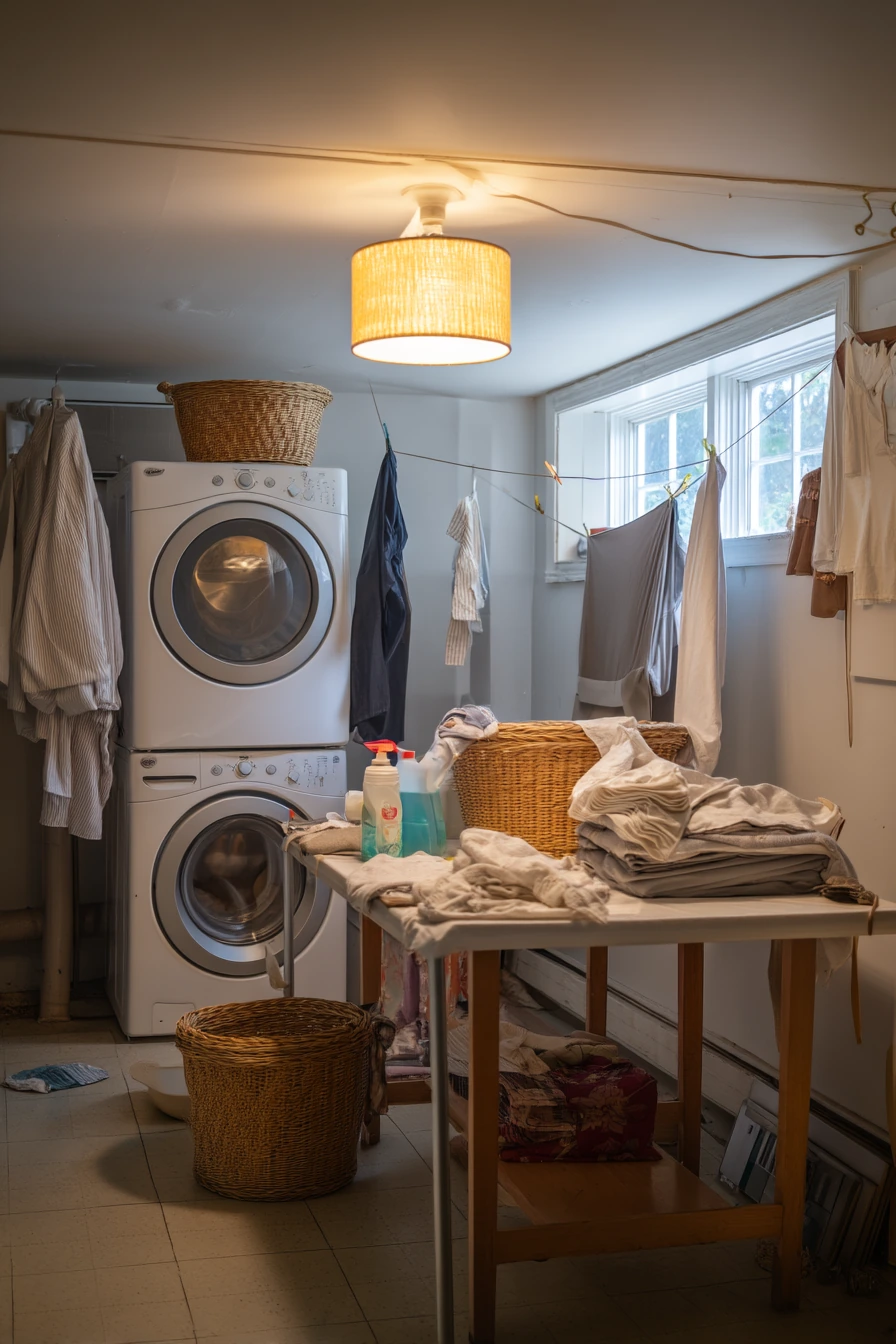
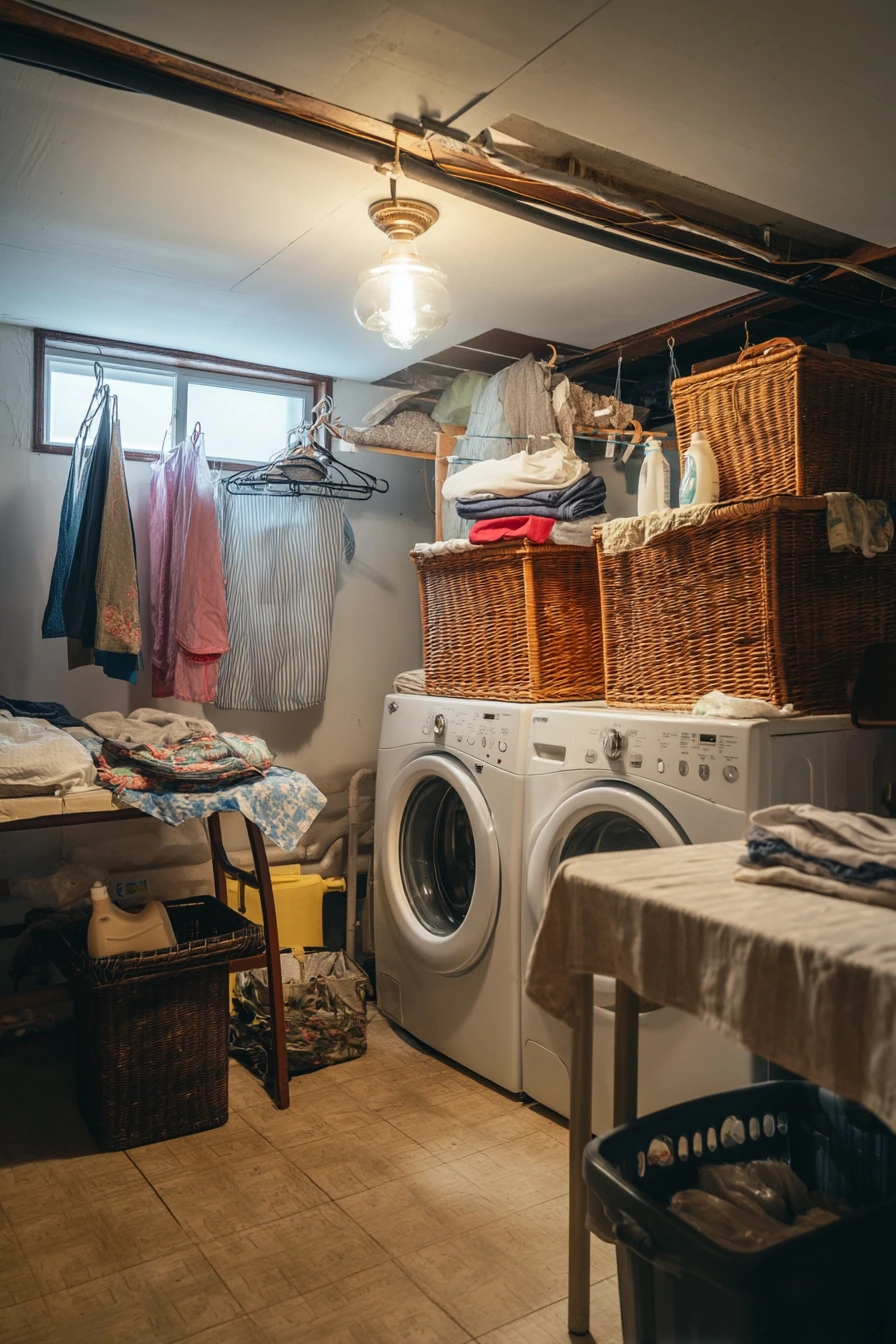
A functional basement laundry zone can still feel finished with a few smart choices. If you have a stacked washer dryer, use the vertical space around it. Add a shelf above for detergent and supplies, and keep the detergent bottle closed to avoid spills. Woven baskets half filled with clothes look normal, but they should have a home spot.
Create a folding station that fits your space. A small table works, but it can get cluttered with linens fast. Add two bins, one for clean items to fold and one for items that need sorting. Use a wall rod or ceiling mounted rack for hanging shirts so they can drip dry without taking over the room.
Lighting helps the area feel clean. Balance cool natural light from a window with a warm bulb overhead so colors look right. Keep the floor clear, even a stray sock makes the room feel messy. Add a small rug runner that is washable, and use a lidded trash can for lint and dryer sheets.
- Add shelves to keep supplies off the machines.
- Use labeled baskets for lights, darks, and towels.
- Install hooks for bags, aprons, and cleaning tools.
- Keep a small container for missing socks.
- Use a dehumidifier if the basement feels damp.
Pro Design Tip: Place a slim LED light under a shelf above the folding table so you get bright task light without adding a bulky fixture.
Budget Considerations: Wire shelves and basic baskets are affordable and easy to change later. A simple tension rod can replace an expensive drying rack in small spaces.
Small finished basement ideas work best when you plan around the space you have, low ceilings, narrow rooms, and limited window light.
Pick one main use for each zone, then add storage, soft lighting, and a few warm textures to make it feel comfortable.
Start with one corner, like a movie nook or office guest combo, and build from there as your budget allows.
If you want a quick win, improve lighting first, then choose furniture that is low, compact, and easy to move.
FAQ
1. How do I make a small finished basement feel brighter?
Use light wall colors, add mirrors to reflect natural light, and layer your lighting with wall sconces, floor lamps, and task lights. These small finished basement ideas can help create a brighter and more inviting space.
2. What flooring is best for a finished basement?
Vinyl plank flooring and rubber tiles are both practical choices for a finished basement. Vinyl plank works well in living areas, while rubber flooring is ideal for a home gym or workout corner.
3. How can I hide clutter in a small basement?
Use shelving with matching storage boxes, lidded baskets, and multifunctional furniture to keep clutter under control. Storage ottomans and under-bed bins are excellent options for keeping belongings organized without taking up extra space.
4. Can a basement office also be a guest room?
Yes, a basement office can double as a comfortable guest room. Add a sofa bed or daybed, store extra bedding in a labeled bin, and install plug-in wall sconces to save space on desks and bedside tables.
5. What lighting works for a basement movie nook?
Choose dimmable wall sconces, a warm lamp behind the seating area, and a projector setup that minimizes glare on the screen. Soft, adjustable lighting creates a cozy atmosphere for movie nights.
6. How do I reduce echo in a finished basement?
Add a large area rug, fabric curtains, comfortable cushions, and soft throws to absorb sound. Bookshelves, upholstered furniture, and wall art can also help reduce echo and make your basement feel more comfortable.